








Wirespil – elektriske og manuelle løsninger
Choose the right wire winch for your needs
A reliable wire winch is indispensable when you need to pull, lift or position heavy loads. At Fyns Kran Udstyr, we carry a comprehensive range of wire winches, covering everything from light pulling tasks to the most demanding industrial lifts.
Whether you need a powerful electric wire winch for continuous operation in a production hall, or a robust manual wire winch for use in the field where there is no access to power, we have the solution. Our wire winches are designed to withstand harsh environments and always come with full documentation.
When choosing a wire winch, you should consider the rope length, the required pulling force (WLL), the speed, and whether the winch will be used for lifting (where stricter safety requirements apply) or solely for pulling. Contact us at 70 15 20 15, and let us help you find the right wire winch for your task.
Electric wire winch for maximum efficiency
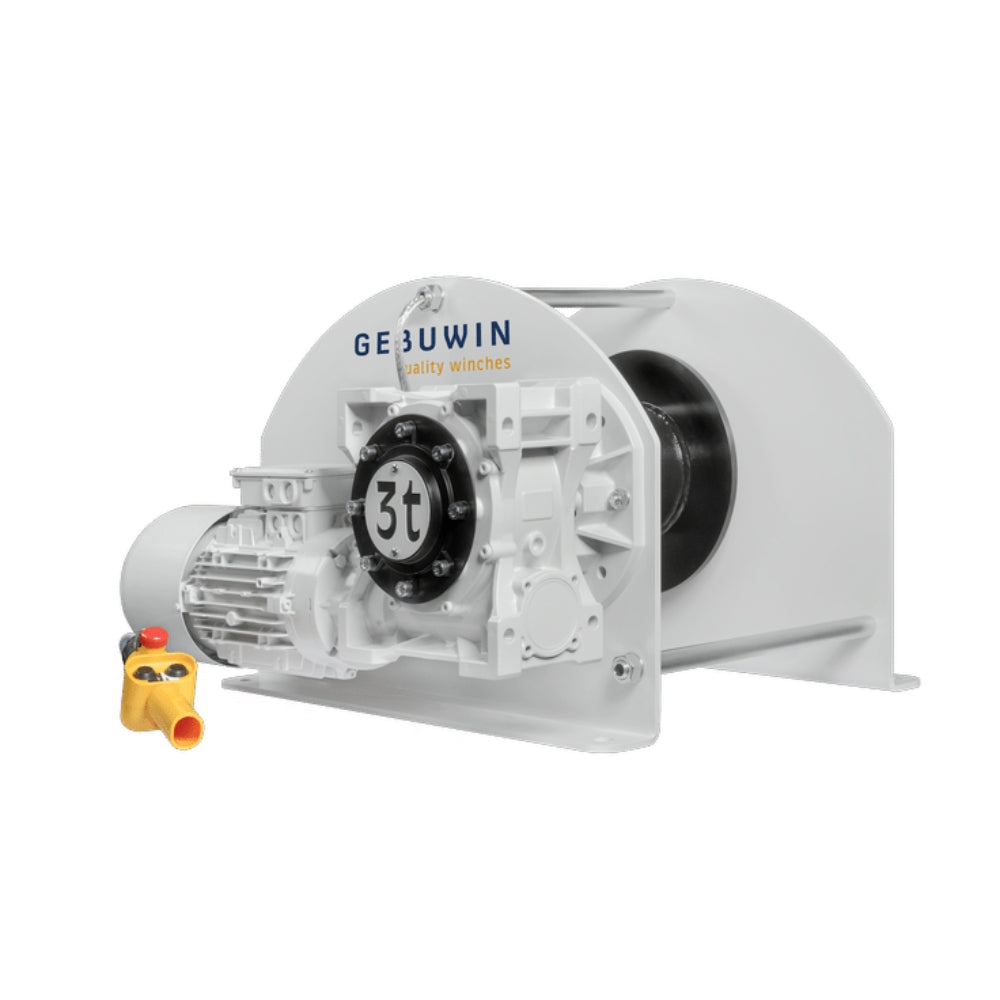
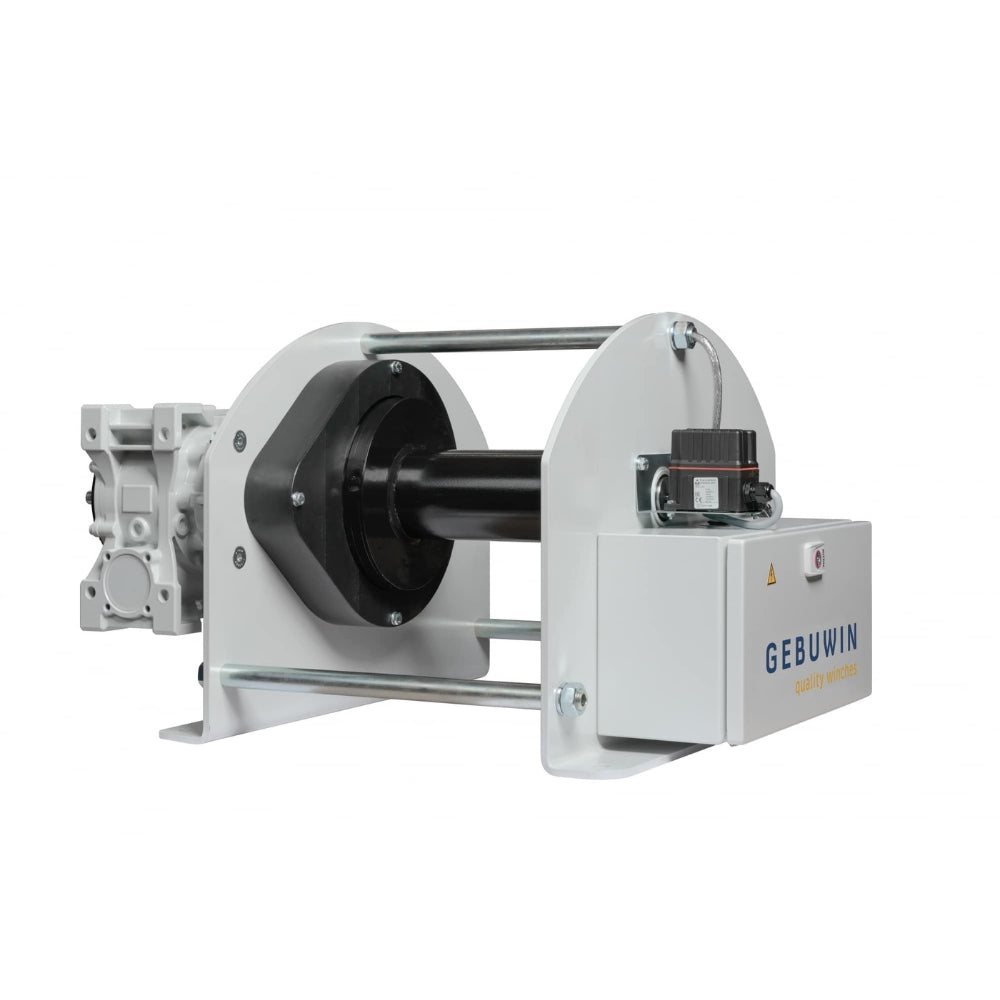
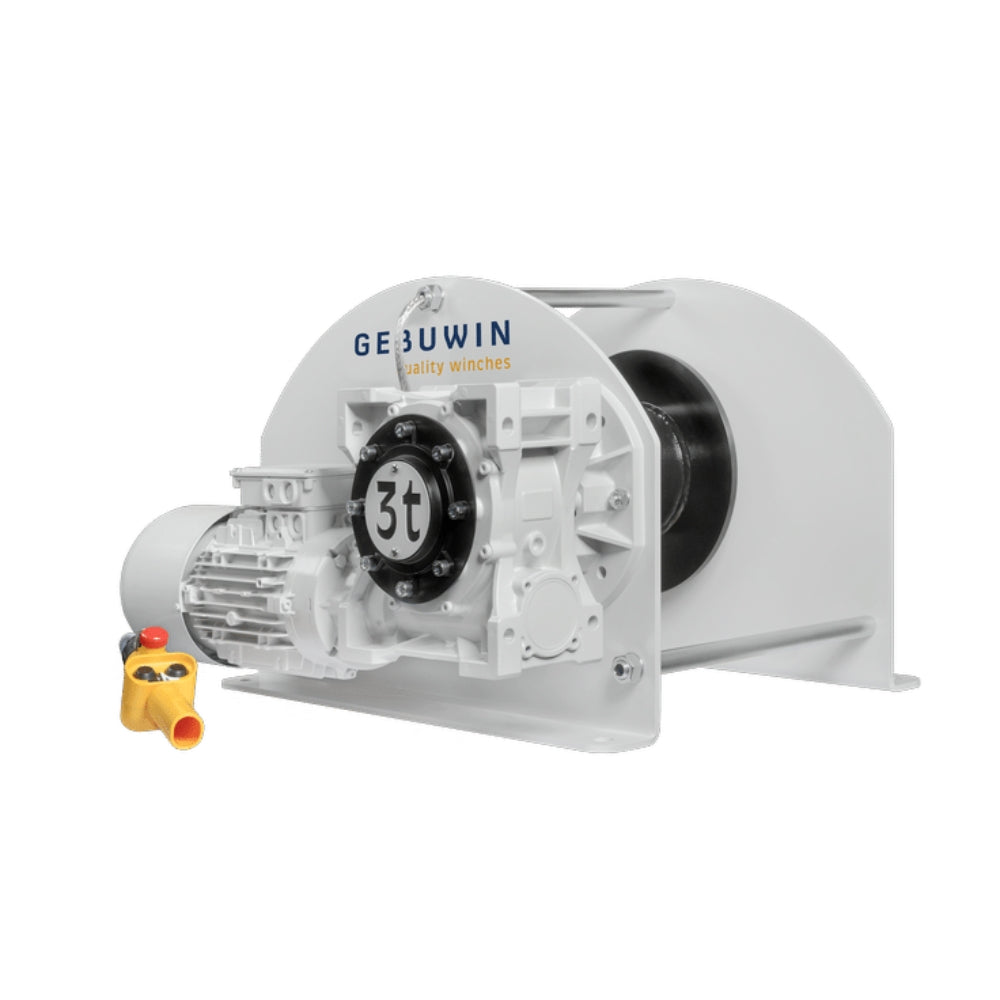
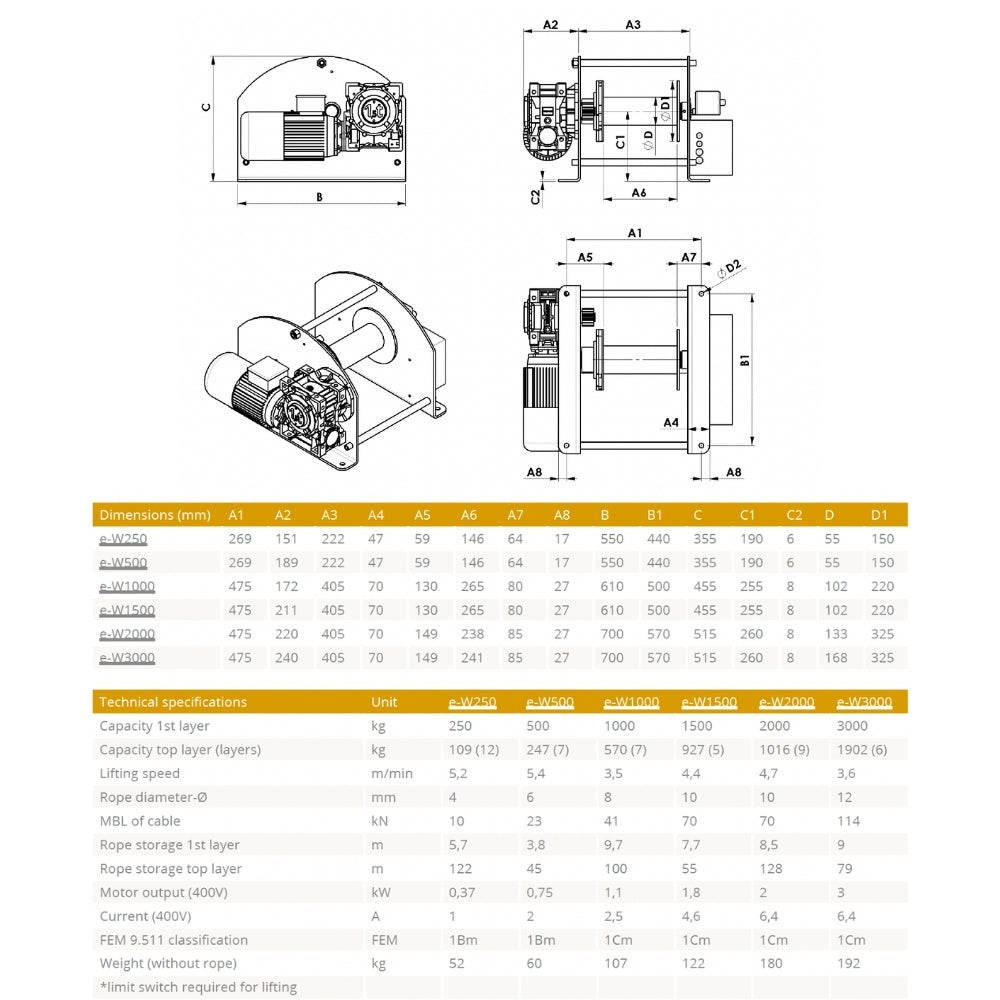
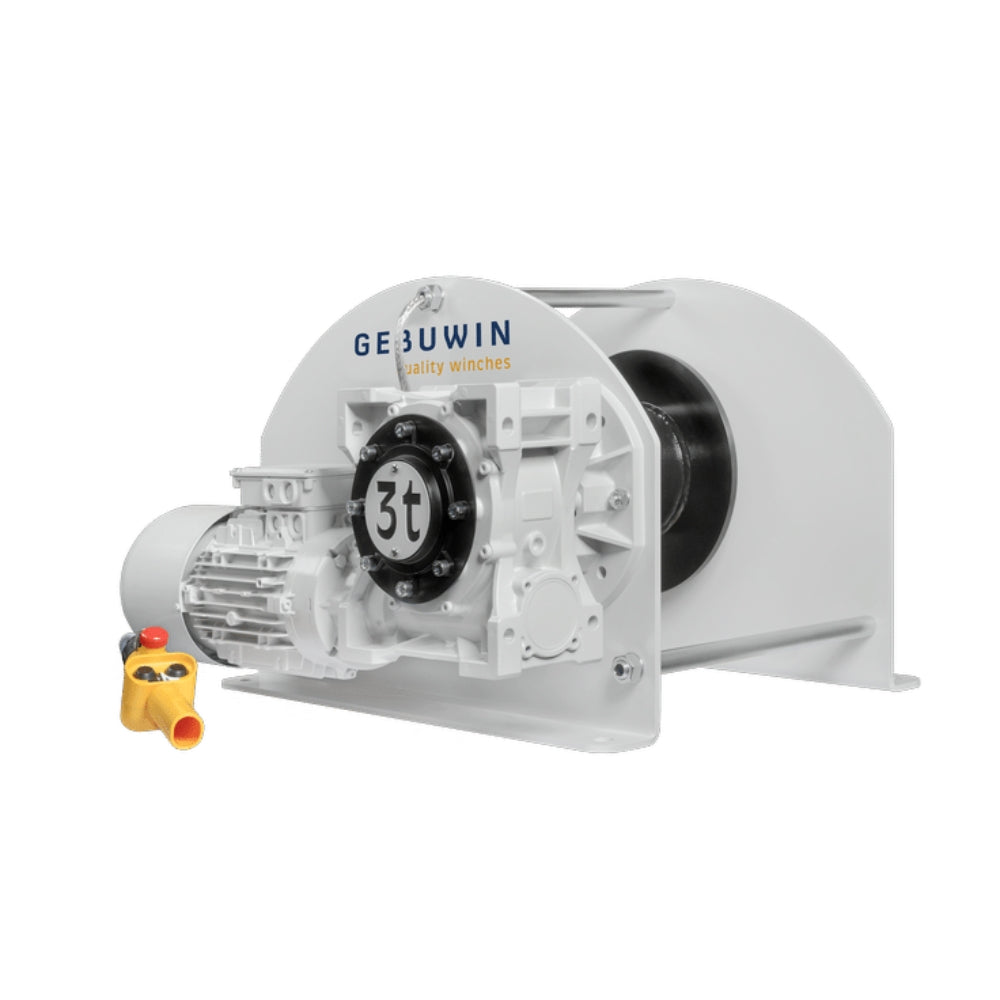
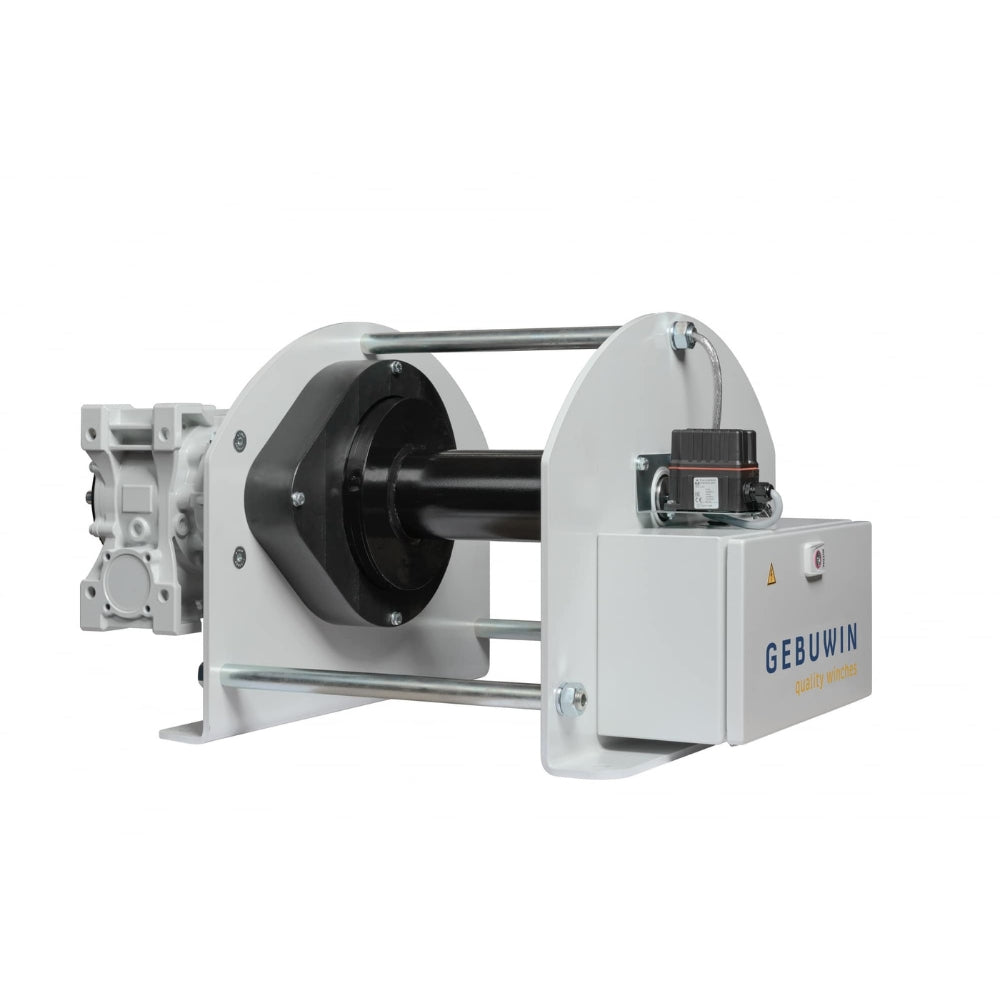
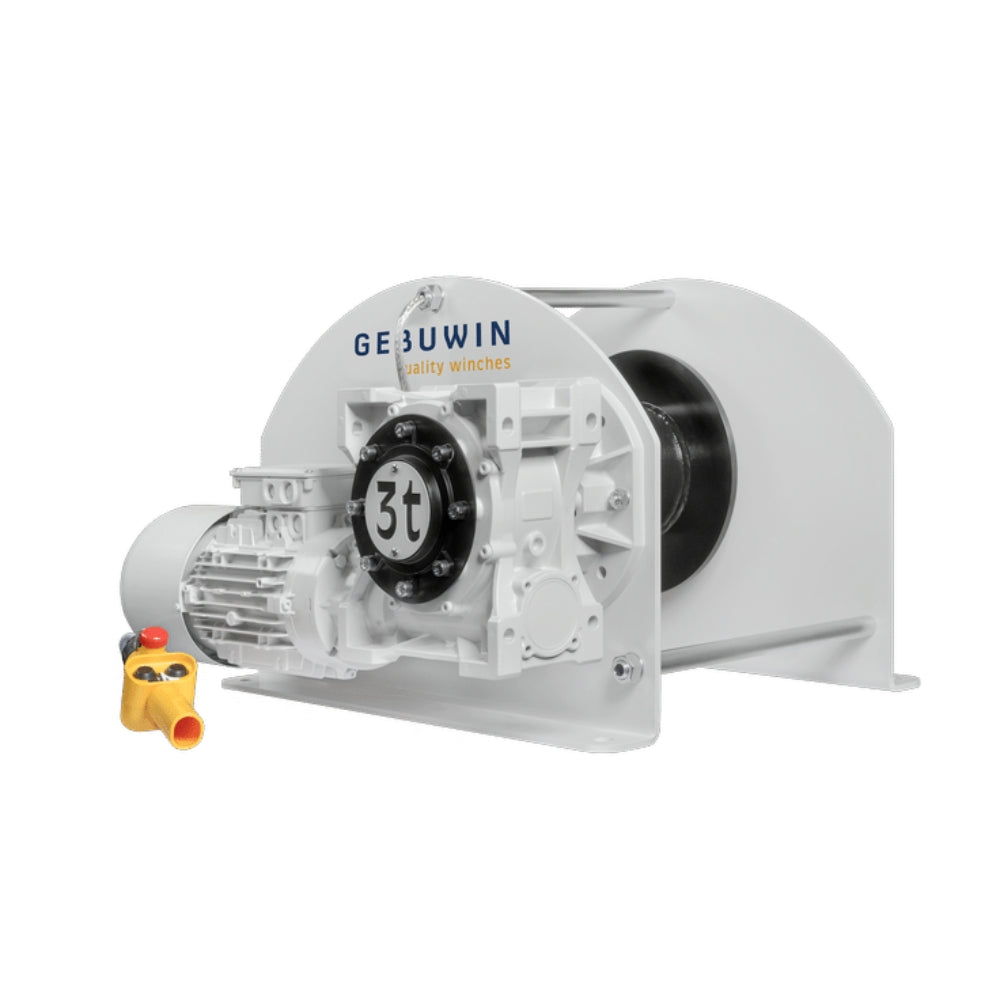
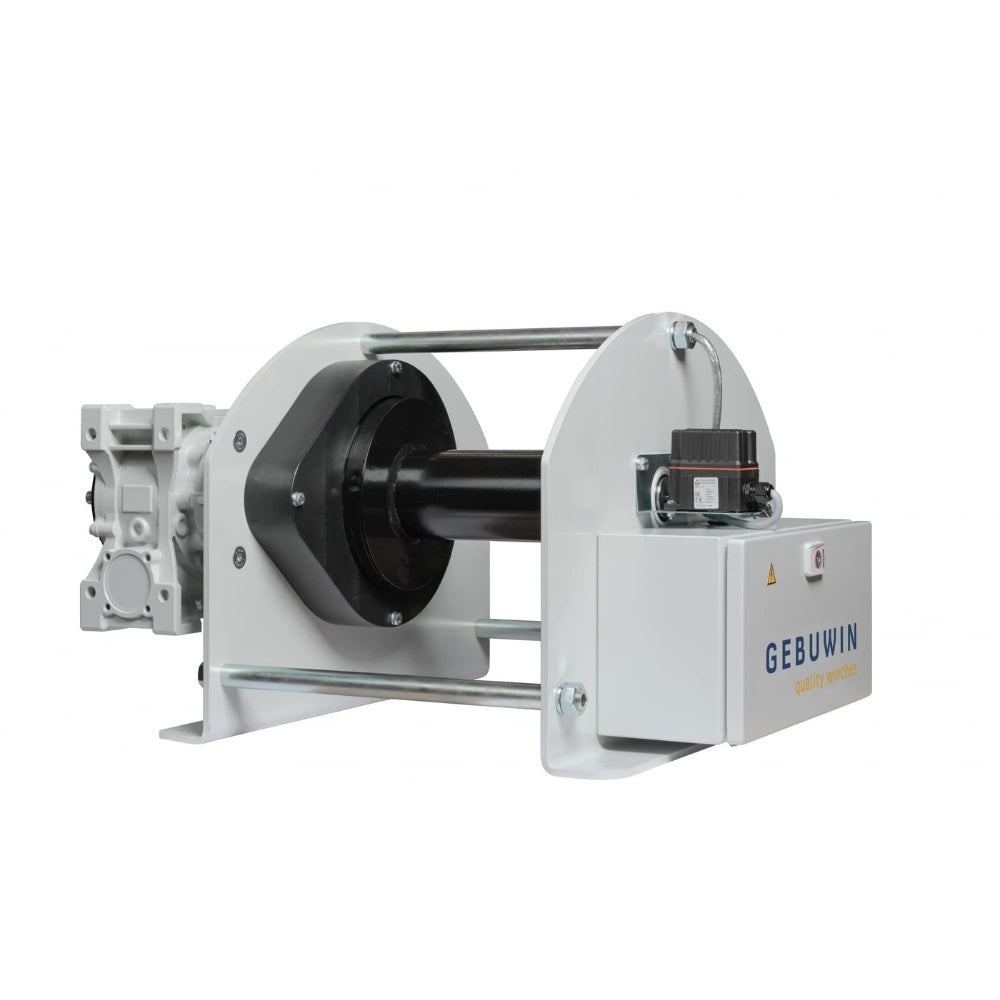
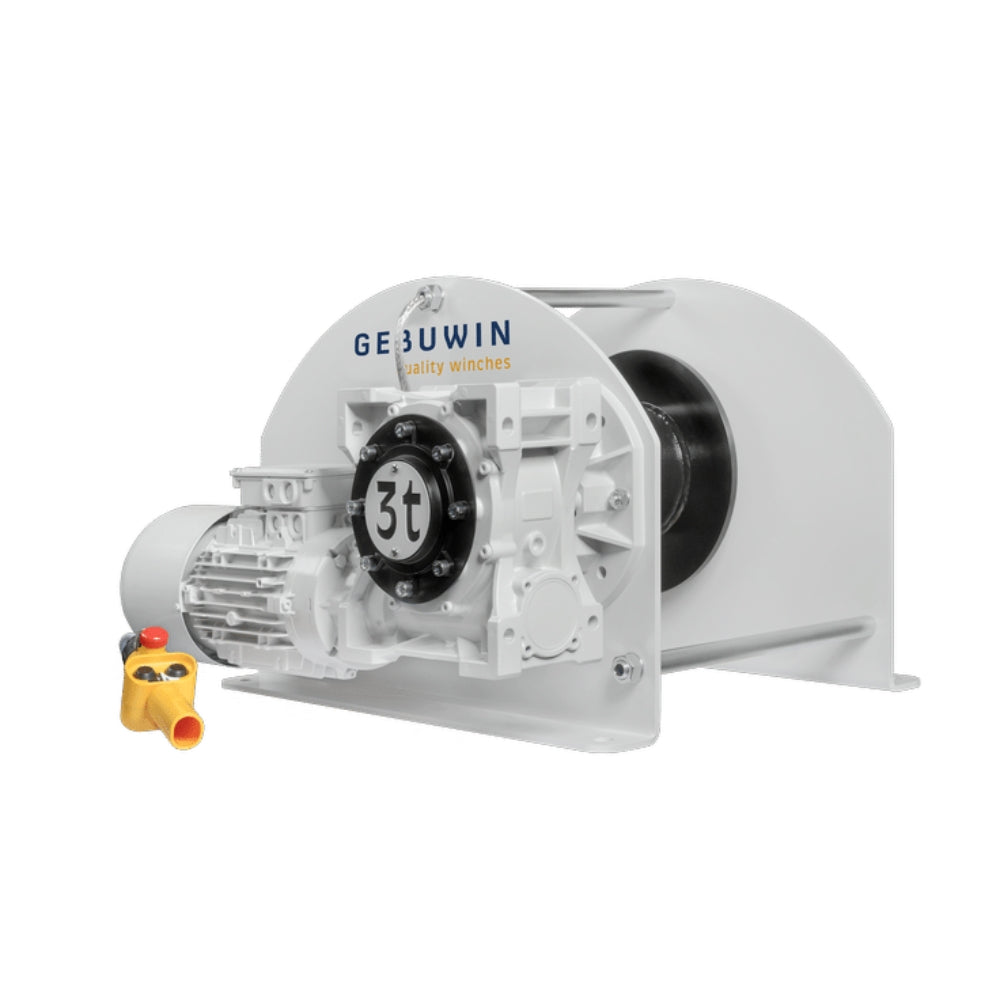
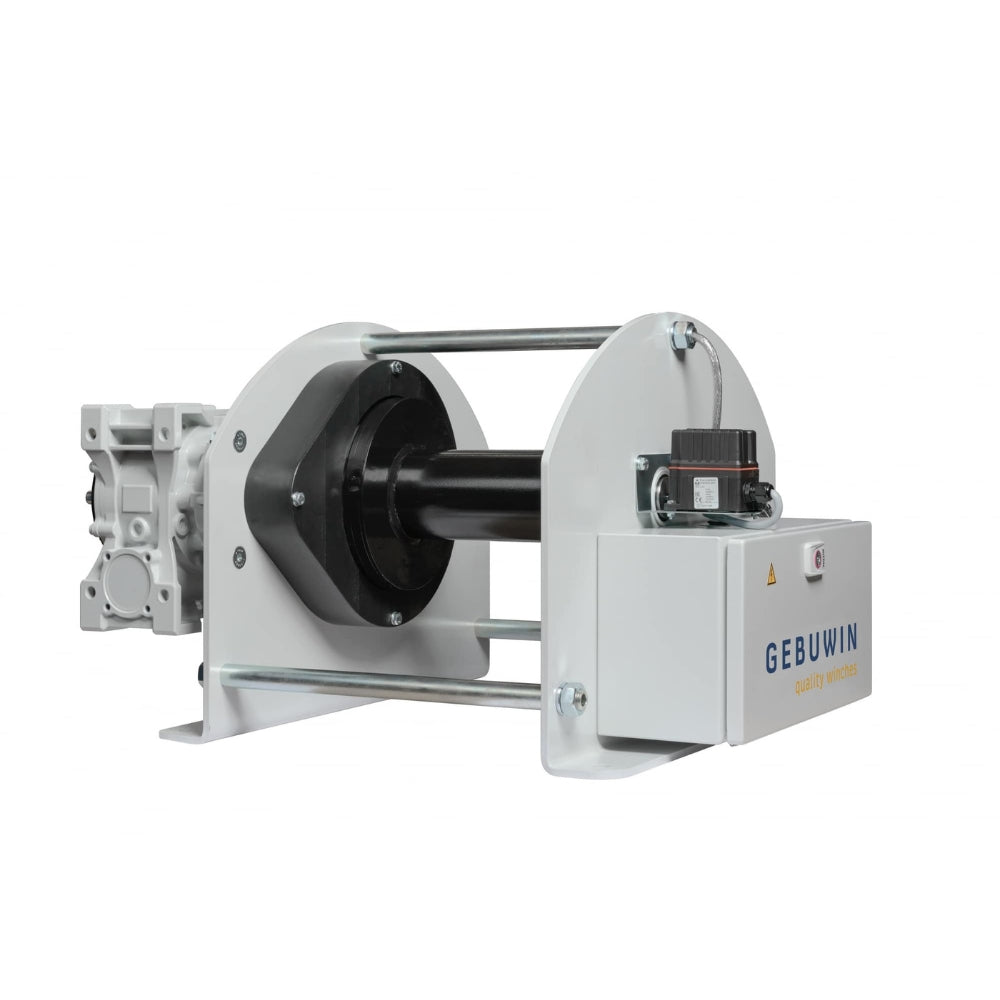
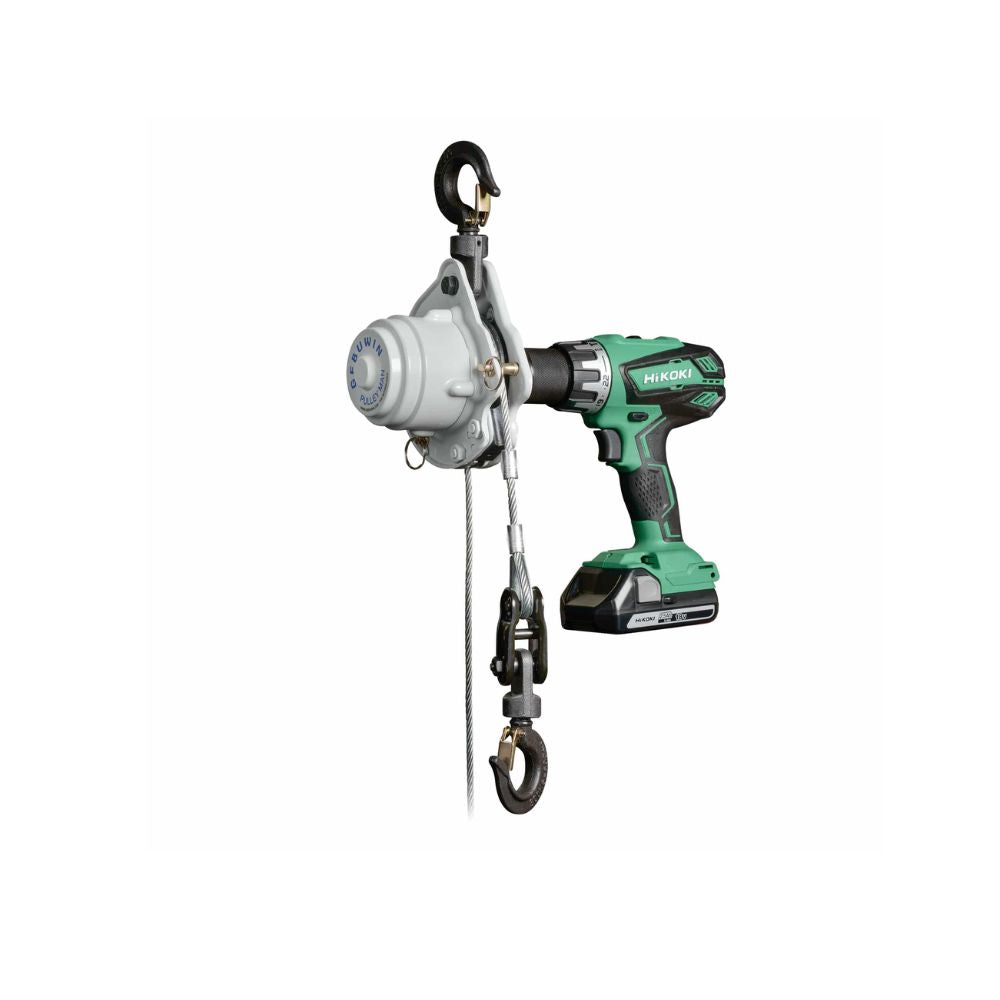
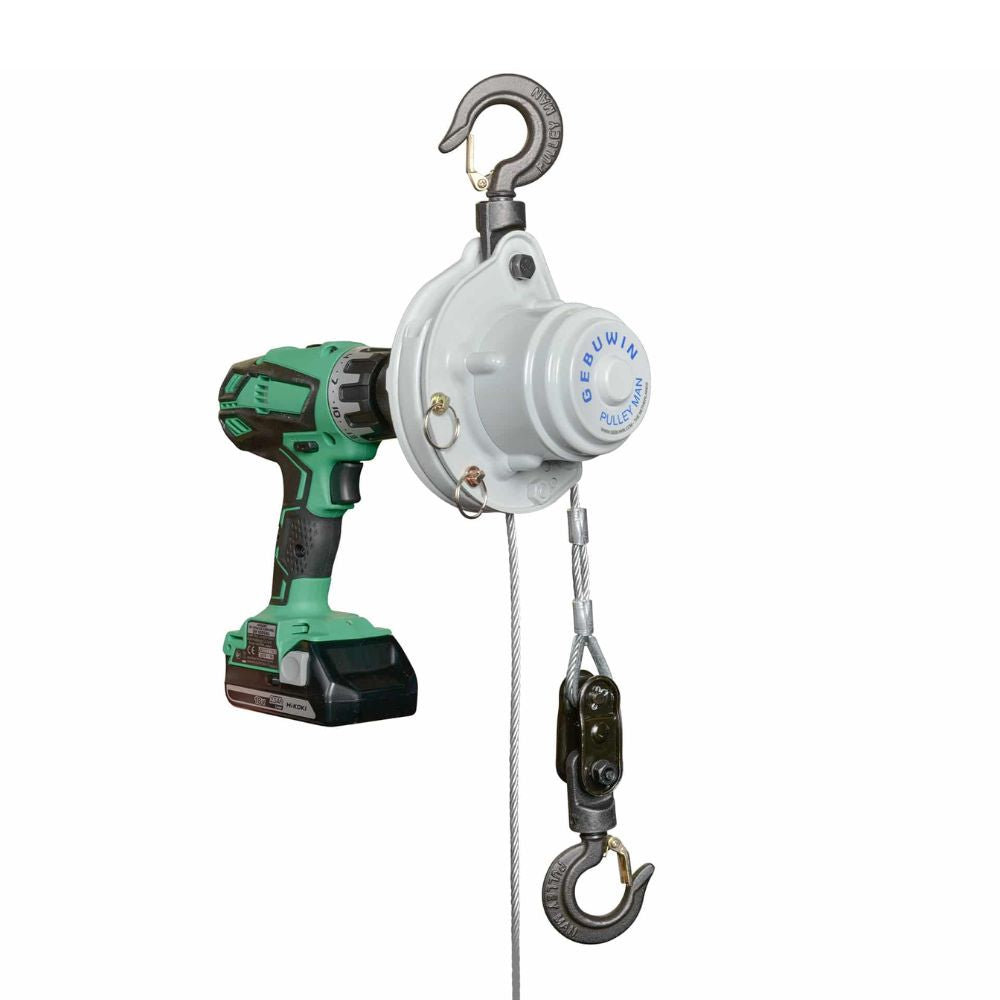
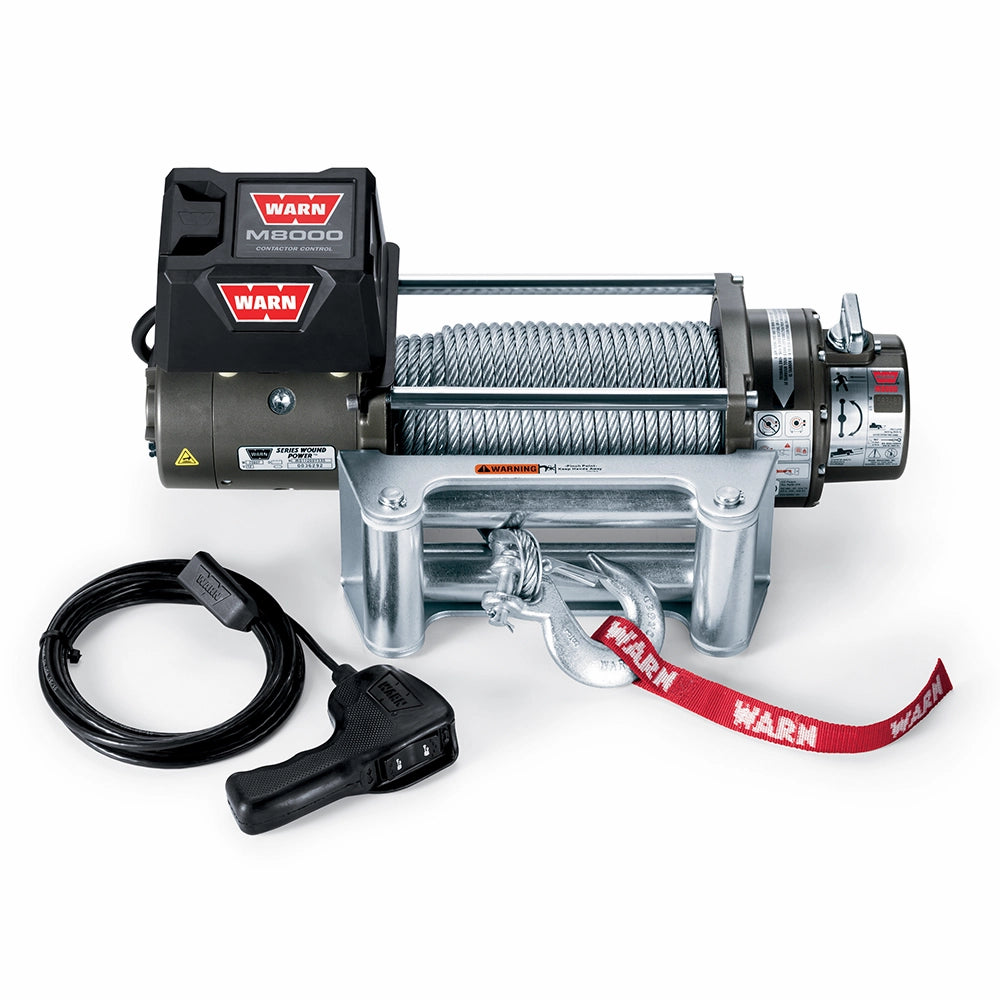
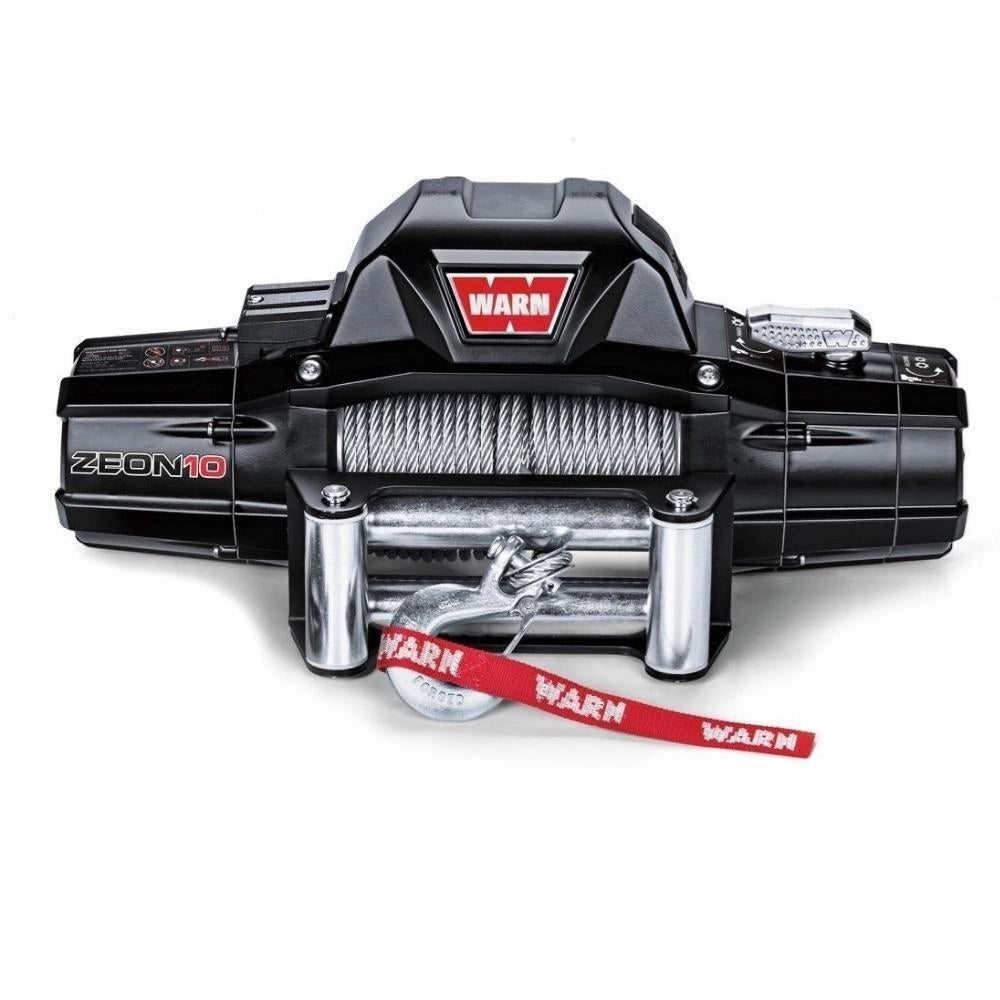
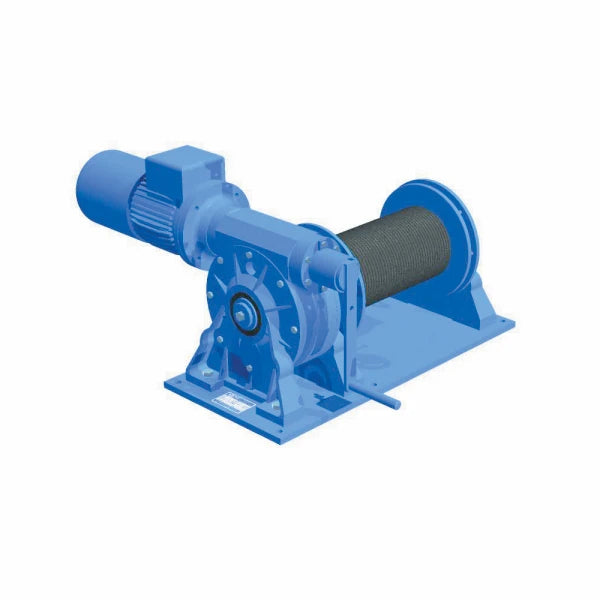
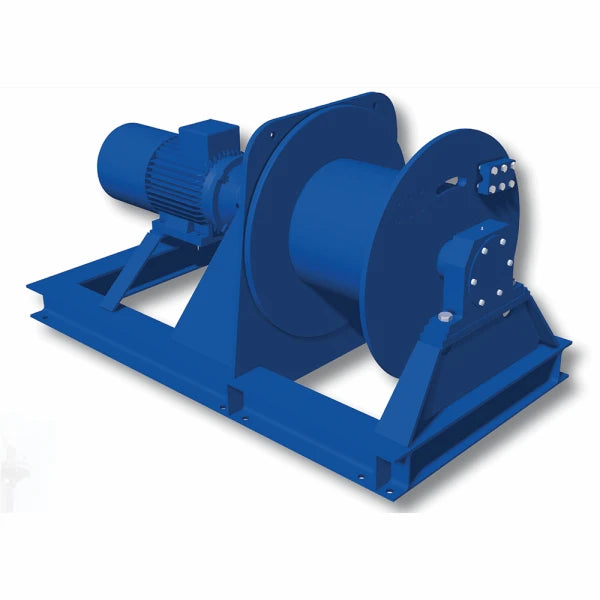
An electric wire winch is the obvious choice when you need power, speed and repeatability in your pulling or lifting tasks. With an electric wire winch, you avoid the physical strain associated with manual operation and achieve a smooth, controlled movement every time – whether you are pulling a boat onto a trailer, moving machinery into place in the production hall or lifting loads vertically. Our electric wire winches are available in capacities from 250 kg to 4,500 kg and in voltages of 12V, 24V and 230V, so you can always find a winch that suits your power supply and task. Models from Gebuwin are ideal for industrial pulling and lifting tasks, while the WARN range covers everything from compact hoisting winches to powerful recovery winches for vehicles. It is important to distinguish between an electric pulling winch and an electric hoisting winch. A pulling winch is designed to pull loads horizontally or up a slope – e.g. onto a trailer or up a slipway. A hoisting winch, on the other hand, is approved for vertical lifting, where the load hangs freely on the wire rope. Our range includes both types as well as combined winches approved for both pulling and hoisting. Always check the product marking to make sure it is approved for the task you have in mind.
Manual wire winch for tasks without power
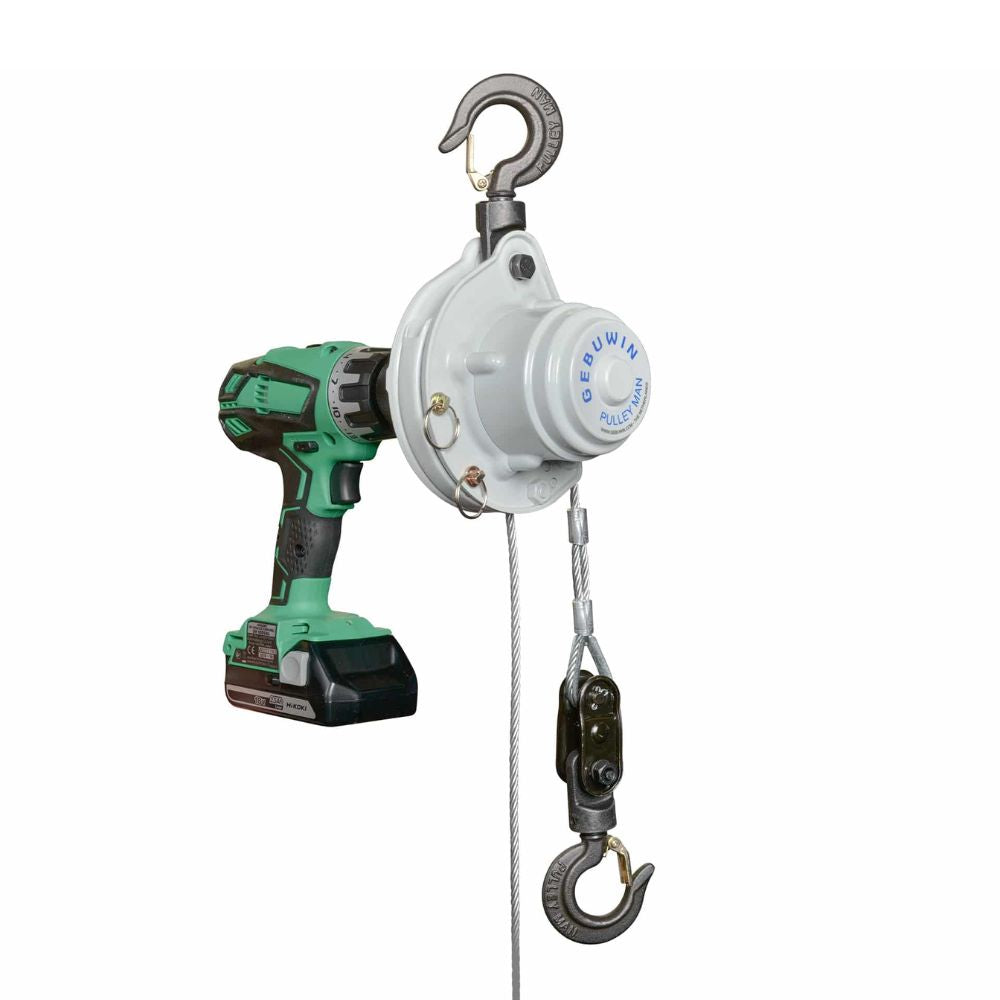
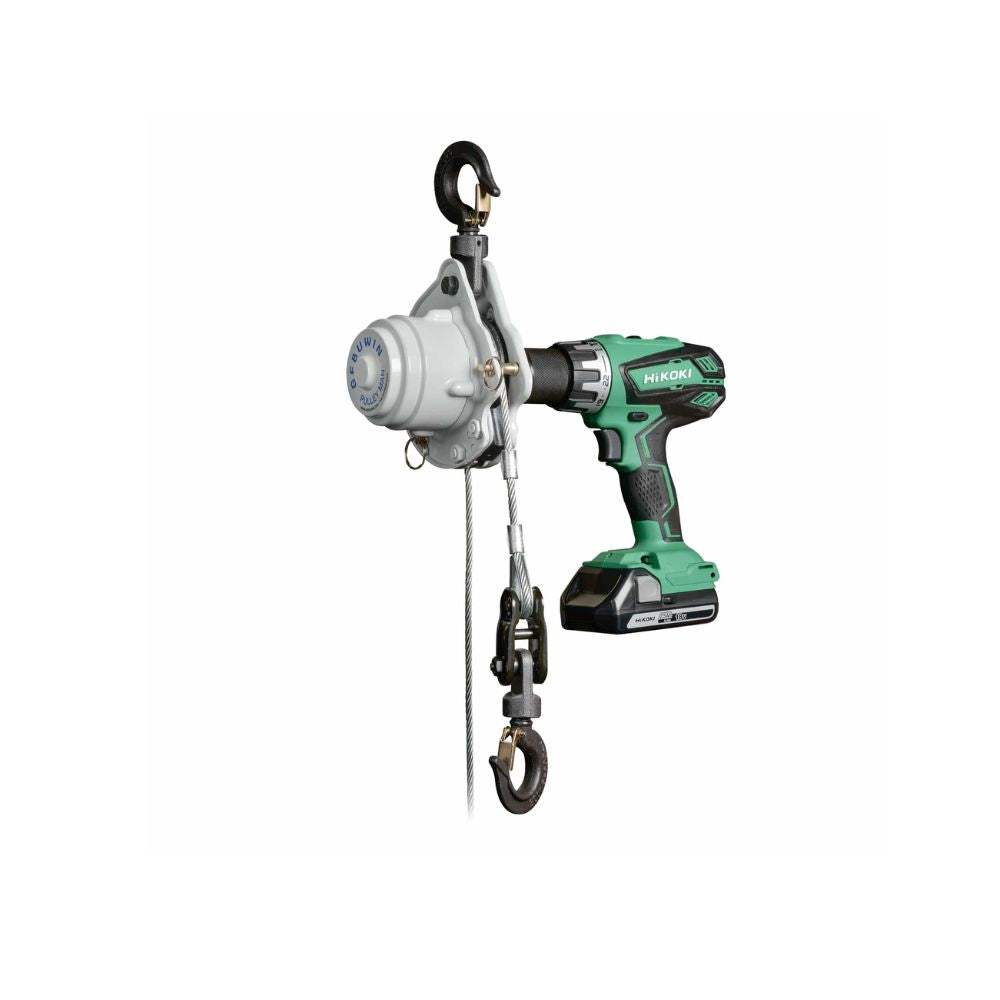
Not all tasks require power – and this is exactly where the manual wire winch comes into its own. A manual wire winch (also known as a hand winch) is operated by a hand crank or a lever mechanism and is the perfect choice when working in locations without access to electricity, or when the task is so simple that an electric winch would be overkill. Manual wire winches are compact, lightweight and require no installation beyond a sturdy mounting plate. They are therefore easy to move between different workstations and ideal for, for example, small boat trailers, workshops, agriculture or temporary setups on construction sites. Despite their simple construction, a manual wire winch can easily handle loads of up to several hundred kilograms, and the mechanical advantage of the gear allows even heavy pulls to be performed with manageable effort. Just as with electric wire winches, it is crucial to respect the specified capacity (WLL) of the manual winch and use it only for the type of task it is designed for. If you need help choosing the right wire winch – manual or electric – we are always ready to advise you on tel. 70 15 20 15.
The difference between an electric pulling winch and an electric hoist
When you look through our range, it is essential to know the difference between a pulling winch and an electric hoist. An electric pulling winch is designed solely to pull loads horizontally or up a slope – for example when a car needs to be pulled onto a car transporter. These winches are typically equipped with a free-spool clutch and must under no circumstances be used to lift loads vertically. An electric hoist, on the other hand, is designed and approved specifically for vertical lifts, where the load hangs freely on the wire rope. An electric hoist is equipped with an automatic, dynamic brake that holds the load securely, even in the event of a power failure, and has a higher built-in safety factor. If you need to lift materials up onto scaffolding or hoist machine parts into place, you should always choose an approved electric hoist. You can easily filter our products here on the page by selecting "Yes" under "Approved for lifting".
