

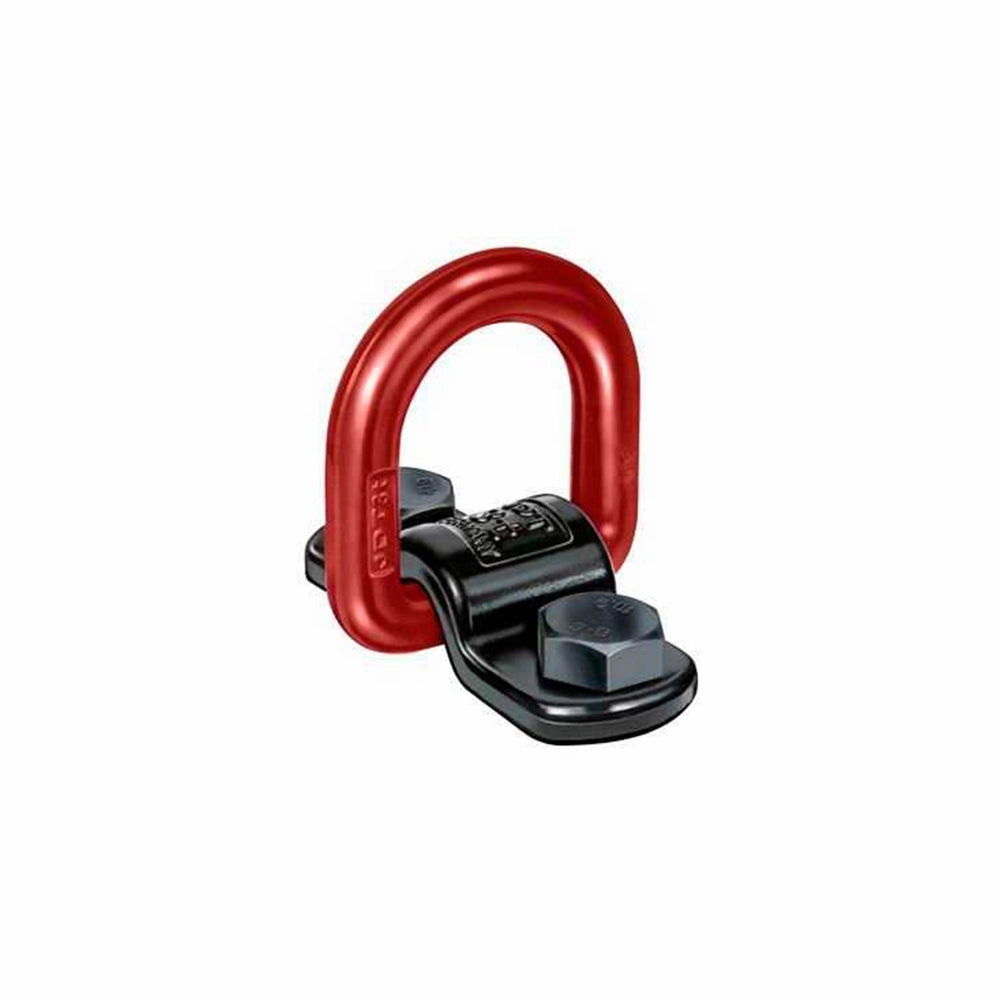
Choose from many brands of lifting points
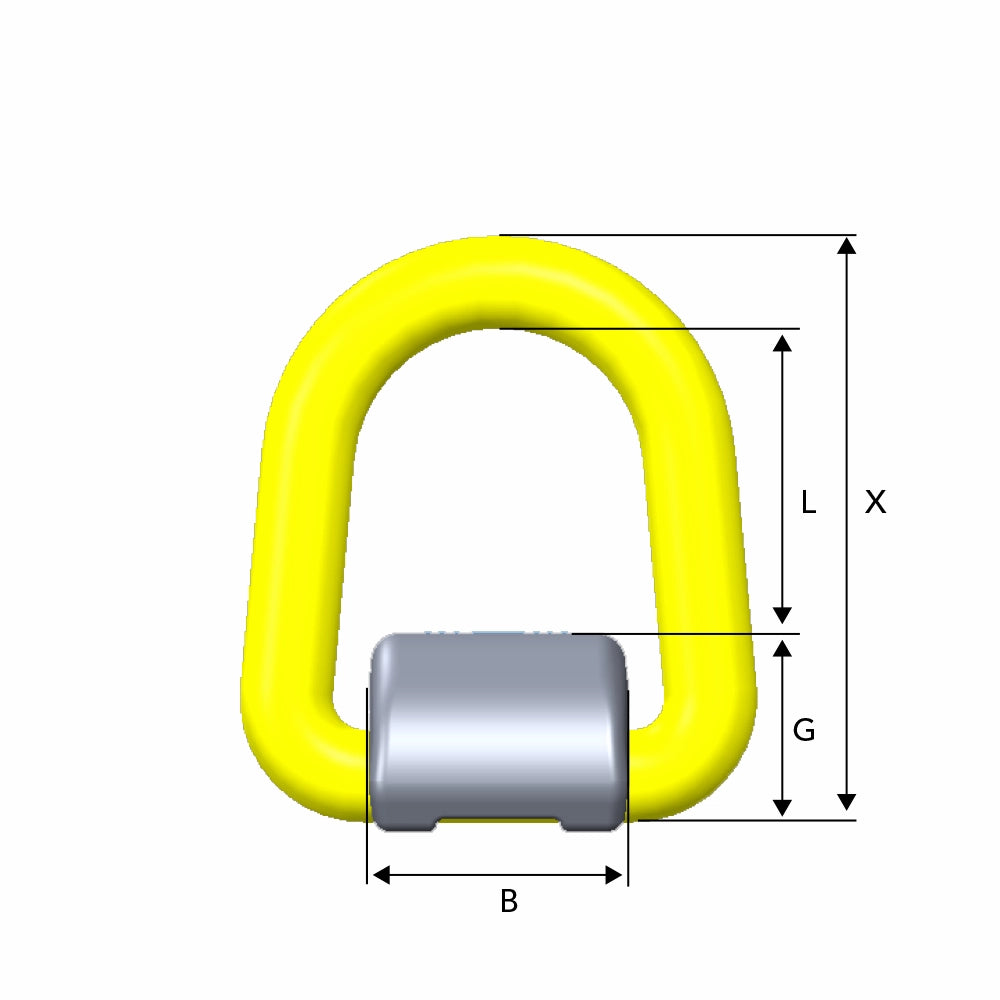
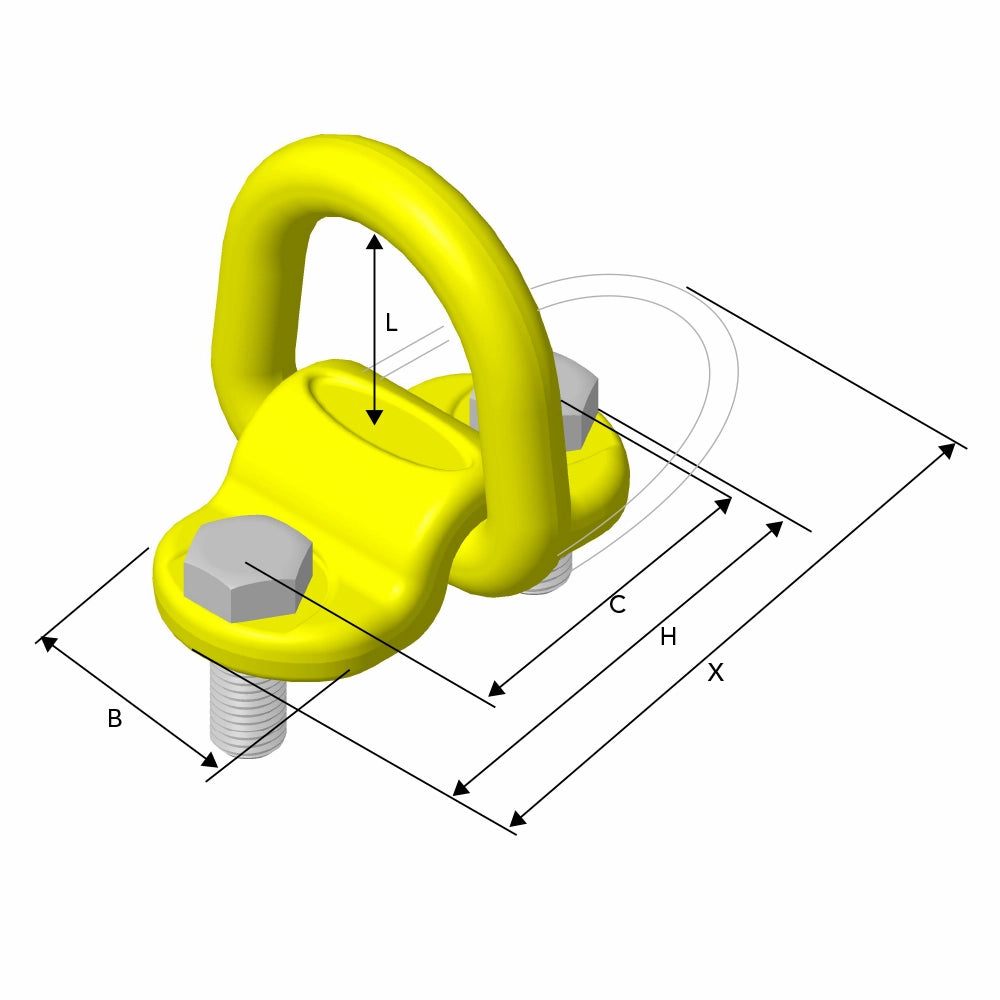
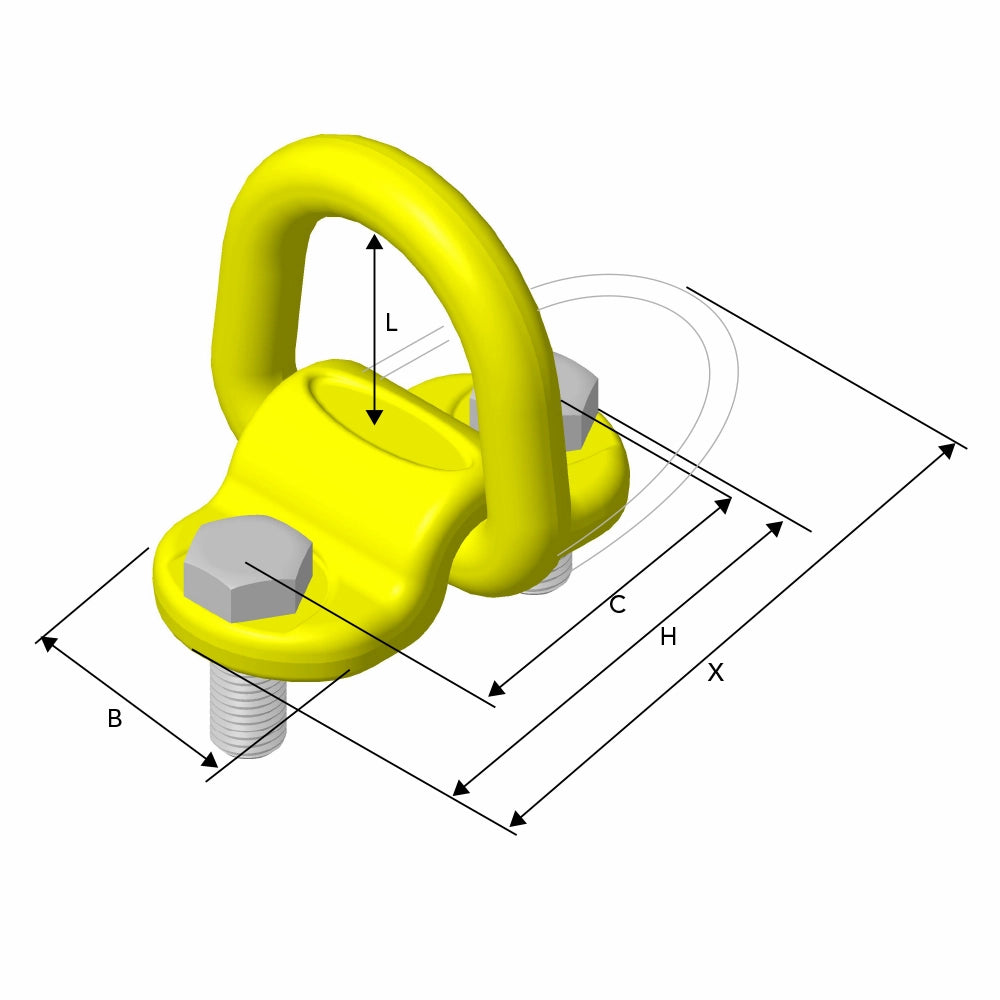
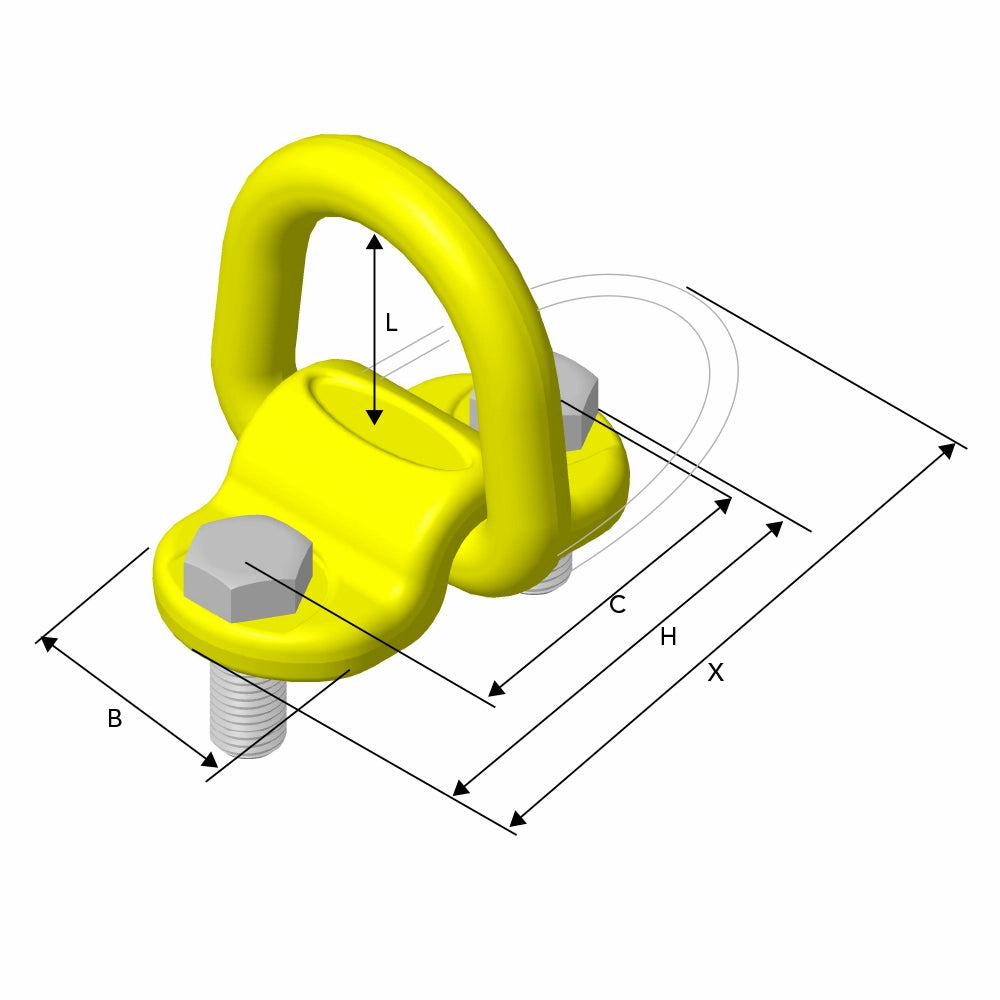
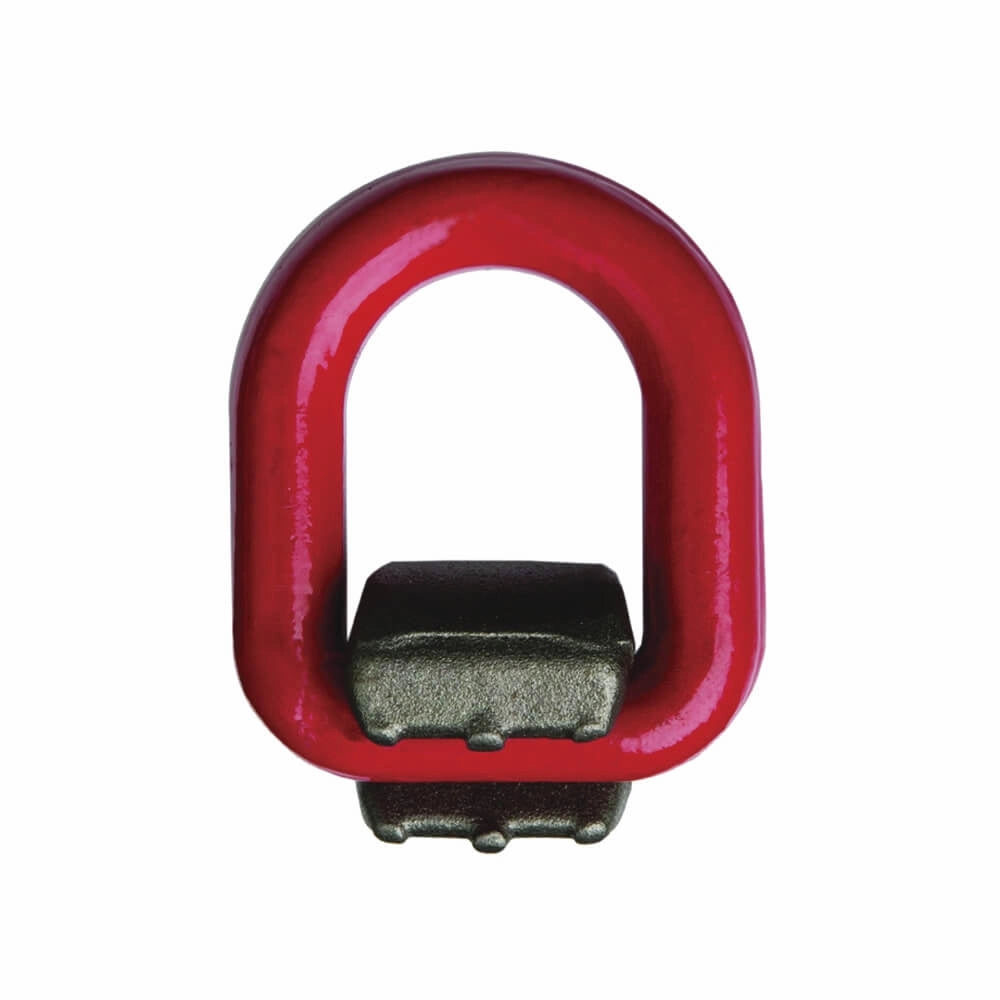
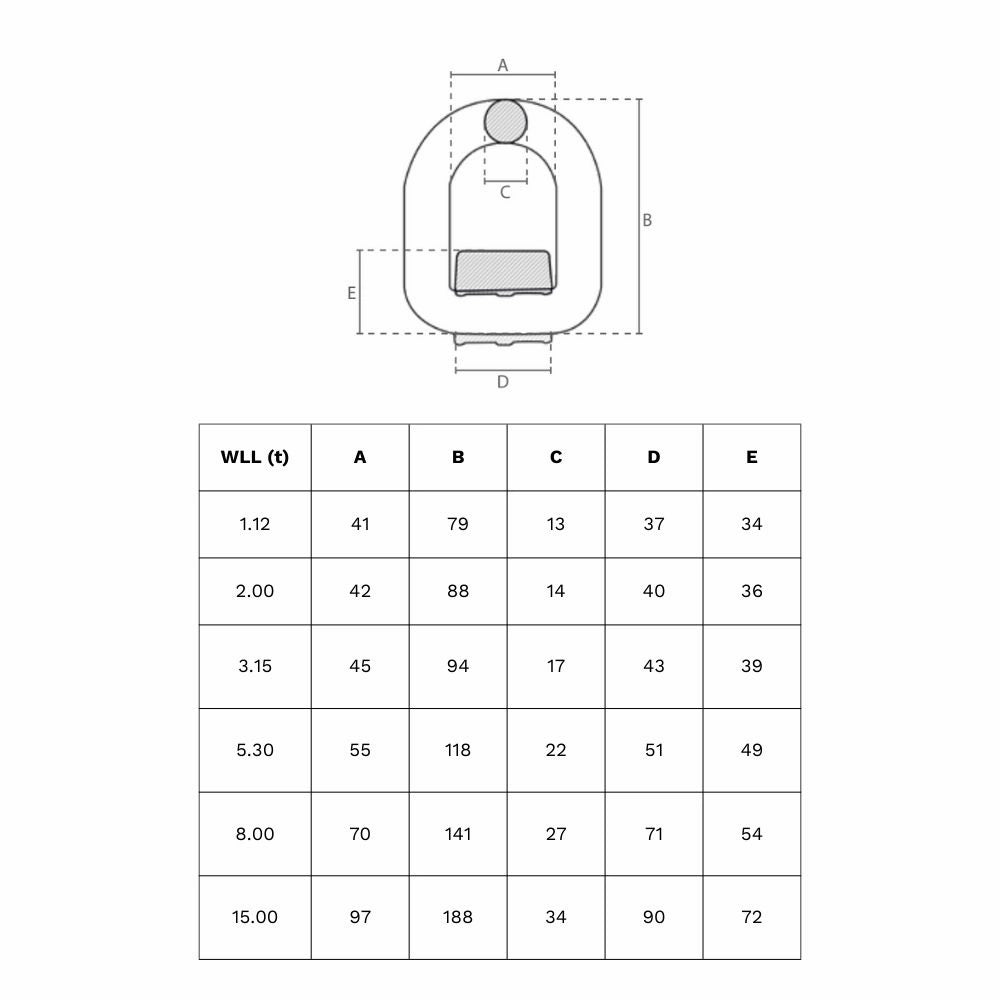
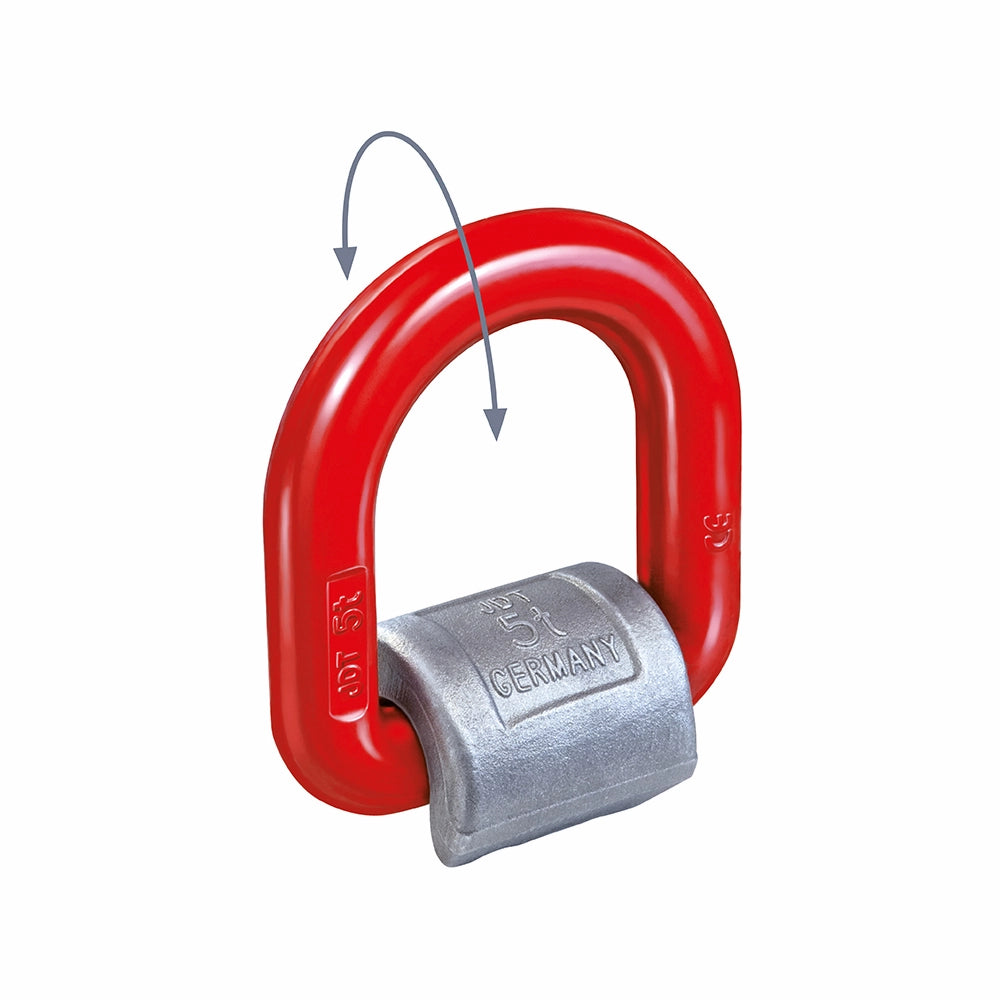
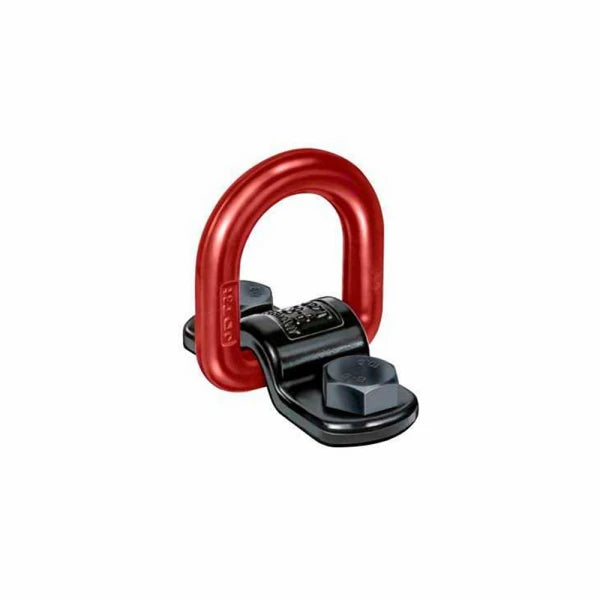
We sell lifting points from RUD, JDT, Cromox, Gunnebo GrabiQ, and WDL. Whether you need a lifting point for welding or bolting, you can find it here.
What is a lifting points used for?
Lifting points are used to secure items for safe and efficient lifting or transport. This securing can be done either by bolting or welding, depending on the item and what is preferred. The selected lifting gear for the task is mounted in the lifting point, and then lifted, for example, with a crane.
Annual inspection of lifting points
Remember that lifting points, like other lifting equipment, must be inspected every 12 months. If there is the slightest deformation or corrosion, the lifting point must be discarded. This is because the lifting point is no longer safe to use. Also remember that it is usually incorrect use of the equipment that causes lifting gear to be discarded, and not because the lifting gear is of poor quality.
FAQ
What is the difference between a welded lifting eye and a bolted lifting eye?
A welded lifting eye is permanently attached to the workpiece using a weld. This requires a certified welder and is ideal for permanent lifting points on machinery or steel structures. A lifting attachment for bolting (e.g., a transport ring or a lifting eye) is screwed into a threaded hole in the workpiece. It is more flexible, as it can be removed and reused, but it requires that the workpiece have a sufficiently strong thread.
Can I lift at an angle using a lifting attachment?
It depends on the type. Standard eye bolts (DIN 580) may only be loaded in a straight pull and lose significant strength when pulled at an angle. If you need to lift at an angle using multiple points, you should choose a swivel lifting attachment (swivel fitting) or a transport ring that automatically adjusts to the direction of pull. These are designed to maintain their full WLL (Working Load Limit) regardless of the direction of pull.
What are the requirements for welding lifting eyes?
Welding lifting eyes is a critical process that must always be performed by a certified welder in accordance with EN 287-1 or equivalent standards. The manufacturer’s instructions regarding welding method, electrode type, and weld bead thickness (a-measurement) must be strictly followed to ensure that the fitting achieves its full lifting capacity.
