





Measuring force with load cell's / crane scales
A load cell is a precision instrument that measures force, tension or pressure in different load situations. Accuracy is crucial when measuring the force of heavy loads such as building elements or industrial components. Without accurate measurement, you risk exceeding safety limits, which can lead to serious accidents and financial losses. Load cells and crane scales help ensure that all loads are measured correctly, making the workplace both safer and more operationally efficient.
Mechanical vs. electronic load cells / crane scales
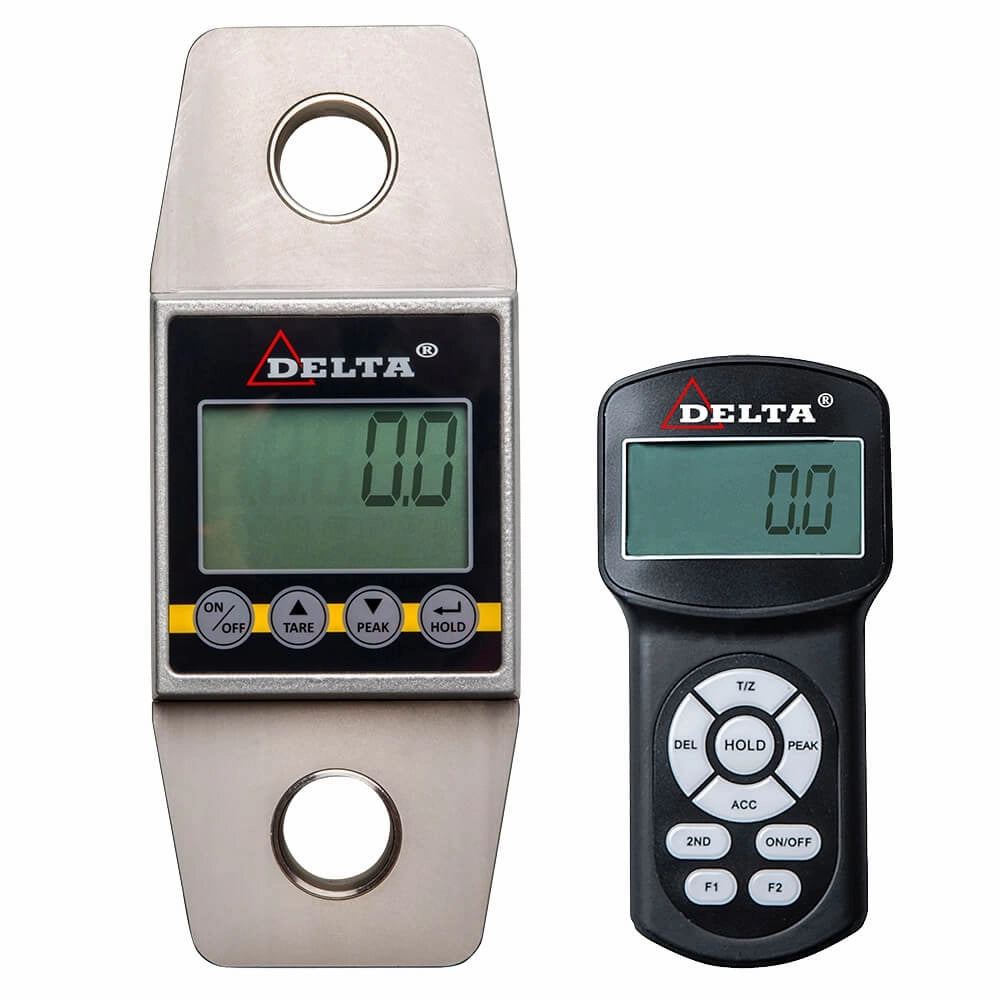
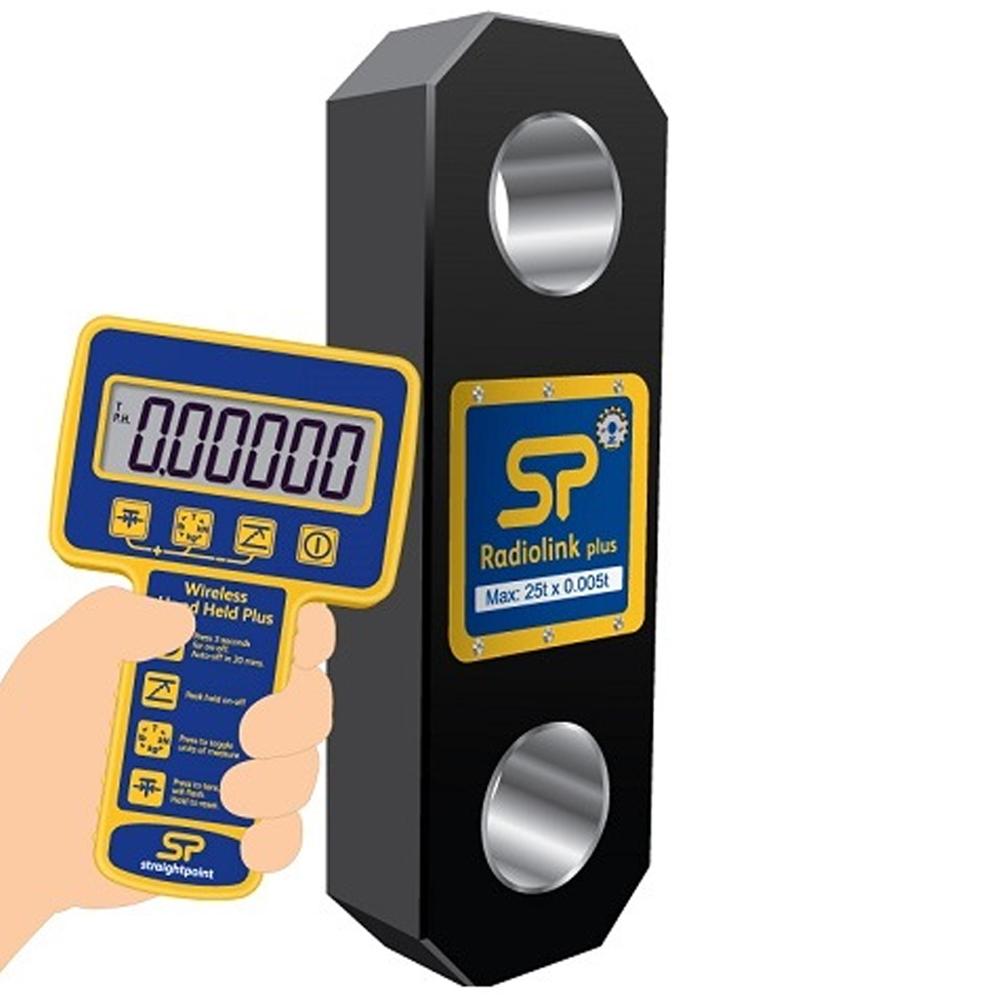
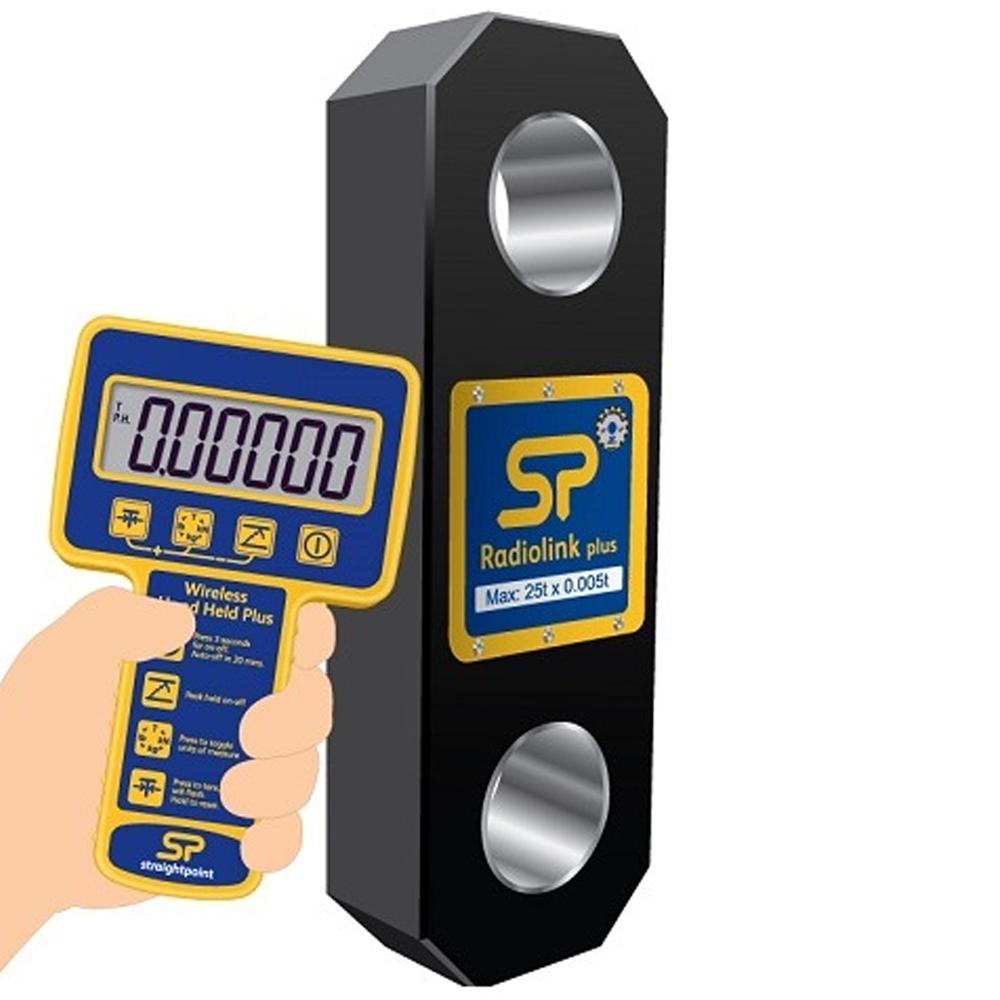
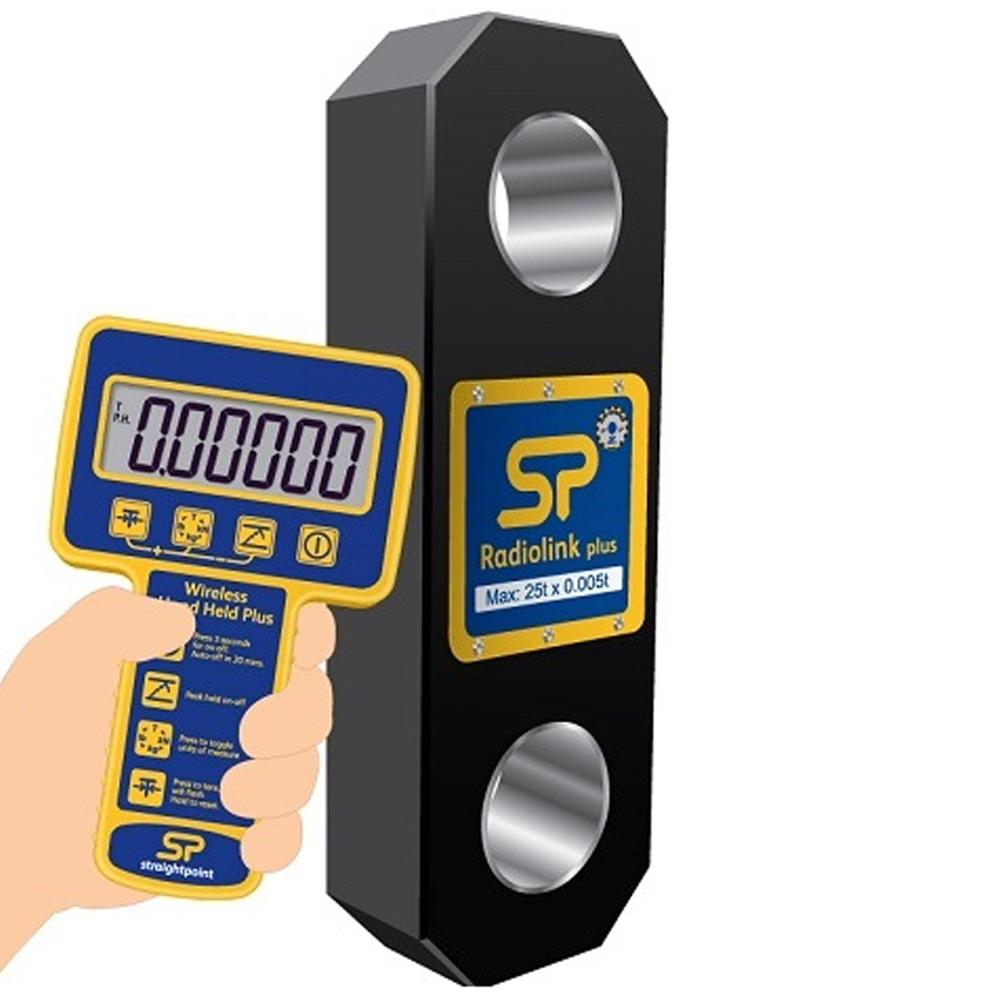
A load cell can be mechanical or electronic, with the reading display either integrated or separated via remote reader, making them extremely flexible and user-friendly.
Electronic variants utilize sensors and digital technology. The electronic versions allow for higher precision as they can read the load with greater accuracy and speed. In addition, they can often be connected to your mobile, computer or other external systems.
The mechanical solution works on the hydrostatic principle and the construction of the scale is robust and therefore requires minimal maintenance.
The choice between mechanical and electronic depends on the application situation you are facing. If the tool is to be used in an environment where radio waves can be a challenge, the mechanical solution is preferable.
Integrated vs. separate displays on load cells
When choosing whether to use load cells with integrated or separate displays, you should carefully consider the requirements of the application. Devices with integrated displays have the display mounted directly on the device itself, making reading instant and simple. When choosing an integrated solution, the main advantage is that the system is compact. Separate displays, on the other hand, allow for remote a view, which can be extremely useful in situations where direct viewing is difficult or dangerous. Separate displays require an additional device, but can improve safety and efficiency by reading from a safe distance. It's also worth noting that with separate displays, can be shared with multiple users, facilitating collaboration in the workplace. This is especially beneficial in larger facilities where multiple people need to keep an eye on the readings simultaneously.
Frequently Asked Questions About Dynamometers (FAQ)
What is a dynamometer?
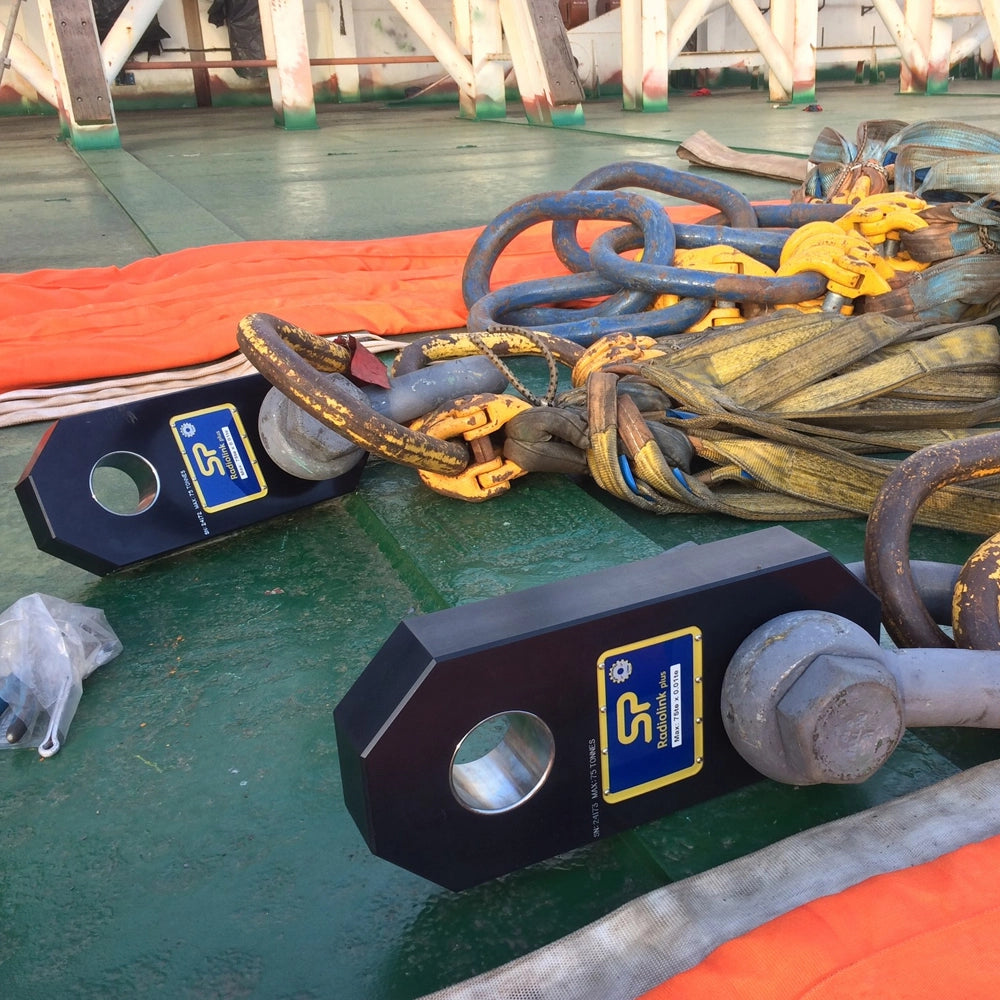
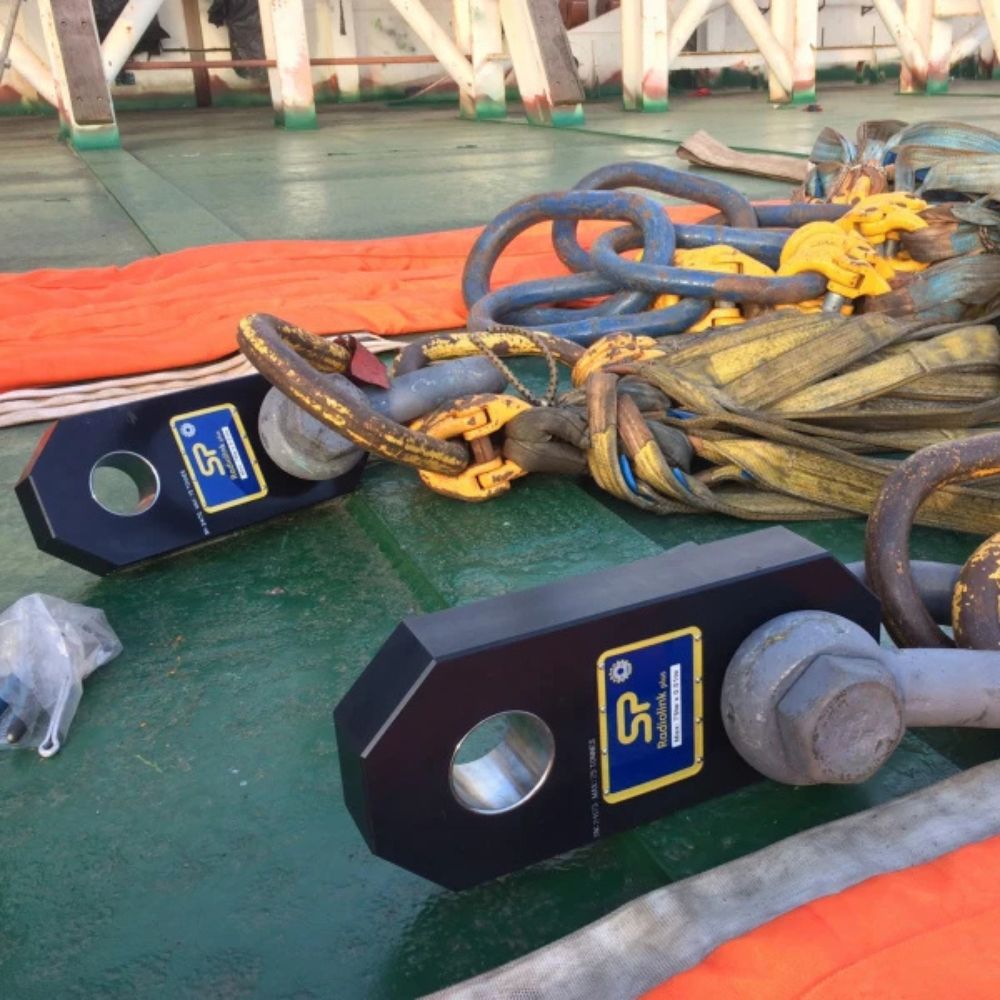
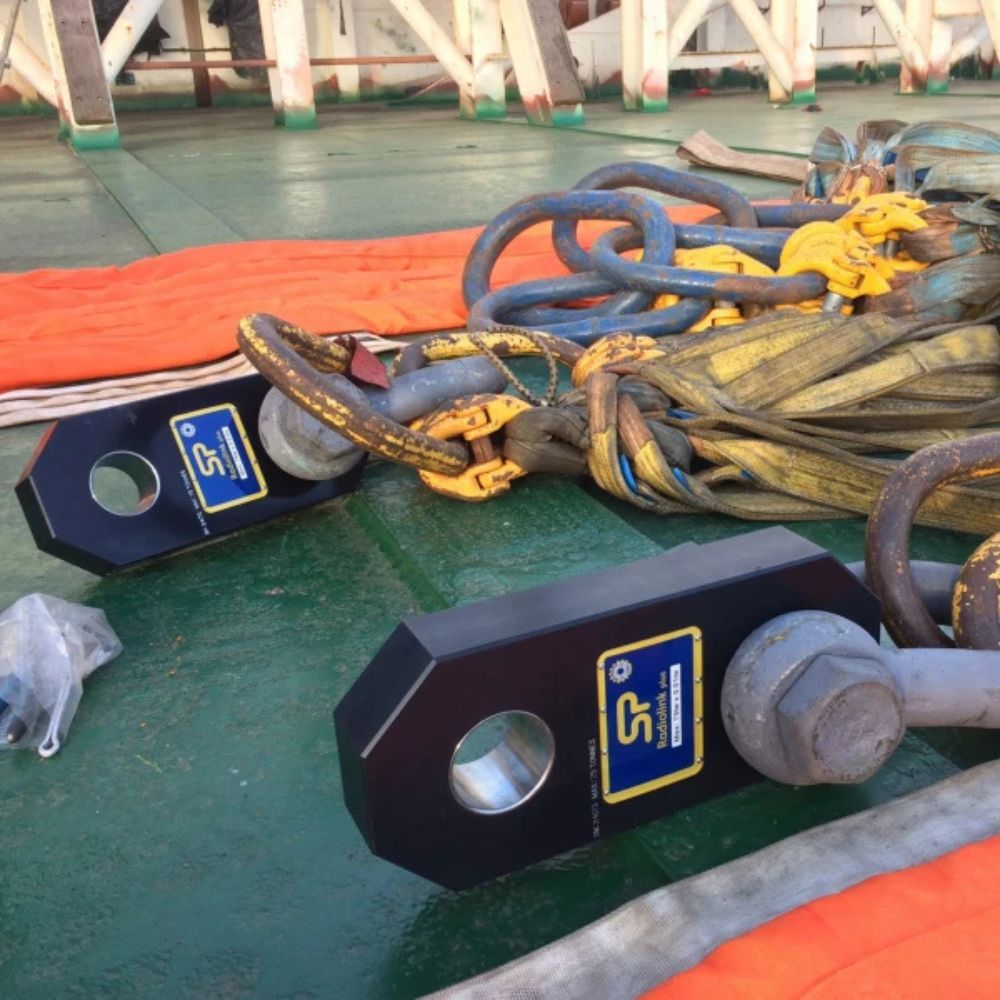
A dynamometer (also known as a crane scale or load cell) is a precision instrument used to measure the mechanical force, tension, or weight of a load during a lift. It is typically mounted between the crane hook and the lifting gear to ensure that the crane’s maximum working load limit (WLL) is not exceeded.
Should I choose a dynamometer with an integrated or separate display?
A dynamometer with an integrated display is compact and ideal for tasks where you are standing close to the load and can easily read the weight. A dynamometer with a separate display (remote reading via radio control or Bluetooth) is recommended for heavy or hazardous lifts where the operator must stand at a safe distance, or where the load obstructs the view of the crane’s weight.
Does a dynamometer need to be calibrated?
Yes, to ensure accurate measurements and comply with safety standards, a dynamometer must be calibrated regularly—typically once a year in conjunction with the mandatory inspection of your other lifting equipment. Fyns Kran Udstyr offers professional calibration and servicing of all types of dynamometers.
Can I rent a dynamometer?
Yes, at Fyns Kran Udstyr, you can rent dynamometers and crane scales for short-term tasks or test loads. Contact our rental department for prices and availability.
